



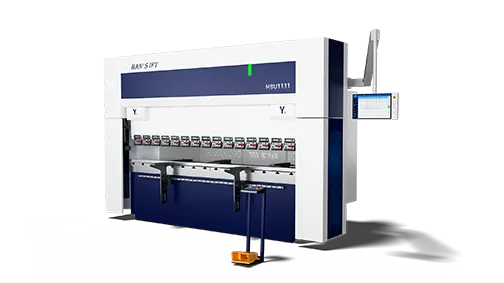
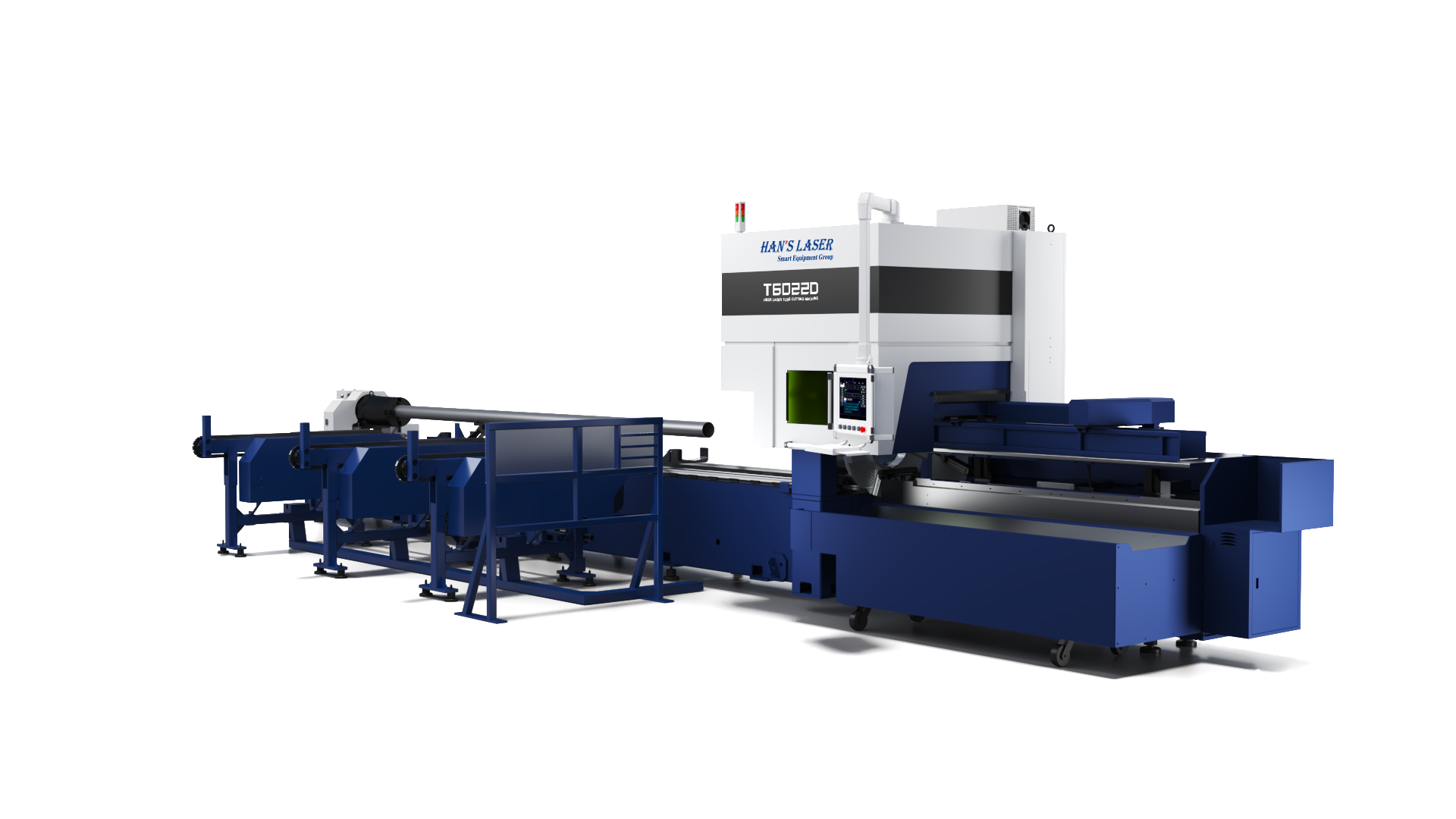


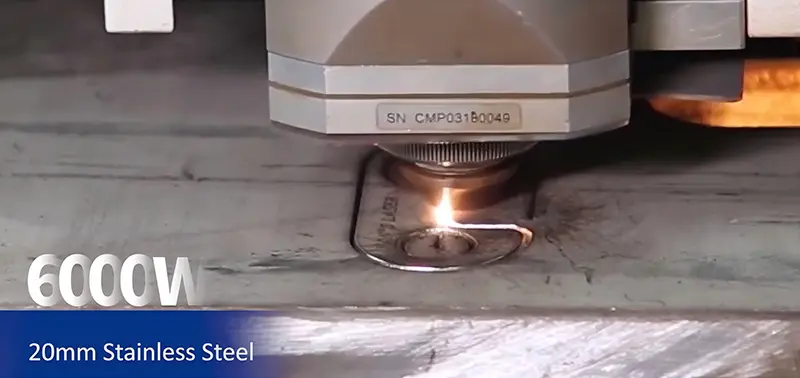
In modern metal fabrication, achieving stable cutting quality is not only determined by laser power or machine structure. One of the most critical yet often overlooked factors is the laser cutting focus position.
Different focus settings directly affect:
- · Cutting edge quality
-
· Cutting speed
-
· Piercing performance
-
· Slag adhesion
-
·Surface roughness
-
·Gas flow efficiency
Choosing the correct laser focus allows manufacturers to maximize the performance of their laser cutting machine while reducing rework and production costs.
What Is Laser Cutting Focus?
Laser cutting focus refers to the position where the laser beam converges into the smallest spot with the highest energy density.
By adjusting the focus position relative to the material surface, operators can optimize the cutting process.
Generally, laser cutting focus can be divided into three main modes:
-
·Negative focus
-
·Positive focus
-
·Zero focus
1. Negative Focus: Focus Above the Workpiece Surface
In negative focus mode, the laser focal point is positioned slightly above the material surface.
Focus Position: Above the plate
Typical Application: Thick carbon steel cutting
Advantages
-
·Wider kerf improves oxygen flow
-
·Better heat distribution for thick plates
-
·More stable molten material removal
-
·Suitable for high-thickness carbon steel cutting
Typical Applications
Negative focus is commonly used for:
-
·Thick carbon steel plates
-
·Oxygen-assisted cutting
-
·Heavy industrial fabrication
-
·Structural steel processing
Limitations
Because the laser energy is more dispersed:
-
·Cutting surfaces may become rougher
-
·Precision is relatively lower
-
·Fine-detail cutting performance decreases
Therefore, this focus mode is not ideal for ultra-high-precision applications.
2. Positive Focus: Focus Inside the Workpiece
Positive focus places the laser focal point inside the material.
Focus Position: Inside the plate
Typical Application: Stainless steel and aluminum cutting
This method is especially effective for highly reflective or high-hardness materials.
Advantages
-
·Improves energy concentration inside the material
-
·Enhances cutting stability for stainless steel
-
·Supports aluminum alloy cutting
-
·Helps reduce incomplete cutting problems
Typical Applications
Positive focus is suitable for:
-
·Stainless steel
-
·Aluminum
-
·Alloy materials
-
·Medium and thick reflective metals
Limitations
Compared with other focus modes:
-
·Cutting width becomes larger
-
·Piercing time increases
-
·Gas consumption may rise
-
·Higher airflow and stable temperature are required
Despite these challenges, positive focus remains one of the best choices for difficult-to-cut metals.
3. Zero Focus: Focus on the Material Surface
Zero focus means the laser focal point is positioned directly on the workpiece surface.
Focus Position: Material surface
Typical Application: Thin sheet metal cutting
This is one of the most commonly used focus settings for thin and medium-thickness sheet processing.
Advantages
-
·Smooth upper cutting edge
-
·High cutting precision
-
·Faster cutting speed
-
·Excellent thin-sheet performance
Typical Applications
Zero focus is widely used for:
-
·SPCC steel
-
·SPH materials
-
·SS41 steel
-
·Thin stainless steel
-
·General sheet metal fabrication
Limitations
The lower cutting edge may appear rougher because it is farther from the laser focal point.
For applications requiring extremely smooth bottom edges, additional parameter optimization may be necessary.
How Different Focus Positions Affect Cutting Quality
|
Focus Mode |
Recommended Materials & Applications |
Surface Quality Characteristics |
Main Advantages |
Limitations |
|
Negative Focus |
Thick carbon steel plates, oxygen-assisted cutting, heavy industrial fabrication |
Upper surface relatively smooth, lower surface rougher |
Better oxygen flow, stronger heat penetration, improved thick plate cutting stability |
Rougher cutting edge, lower precision for fine details |
|
Positive Focus |
Stainless steel, aluminum, alloy materials, medium-thick reflective metal cutting |
More stable internal melting and cutting consistency |
Stable cutting performance for reflective and hard materials, better penetration |
Larger kerf width, longer piercing time, higher gas consumption |
|
Zero Focus |
Thin sheet metal, SPCC, SPH, SS41, precision sheet fabrication |
Smooth upper edge, relatively rough lower edge |
High precision, faster cutting speed, clean surface finish |
Bottom edge quality may decrease on thicker materials |
Conclusion
Laser cutting focus is one of the core factors that determines cutting quality, efficiency, and production stability.As fiber laser technology continues to evolve, intelligent focus control systems are becoming increasingly important for modern metal fabrication industries. Han’s Laser have advanced autofocus laser cutting heads and adaptive focus control technologies, enabling real-time adjustment of focus position based on material type and thickness.


 Previous



 LET’S TALK


